Discover Vietnam

One country. Six regions. A generation of growth.

From the manufacturing corridors of the north to the mega-port gateways of the south, here is the Vietnam foreign investors actually operate in — region by region, with the numbers that matter.

Vietnam at a glance

101M+
Population (2024)
GSO
$476B
GDP (2024)
GSO
7.09%
GDP growth (2024)
GSO
$25.4B
FDI disbursed (2024)
MPI
$786B
Trade turnover (2024)
GSO
~33
Median age
UN
52M+
Labor force
GSO
16+
Free trade agreements
MOIT

The six socio-economic regions

Since mid-2025, Vietnam's provinces have been consolidated into 34 units grouped in six socio-economic regions — each with a distinct role in the national economy.

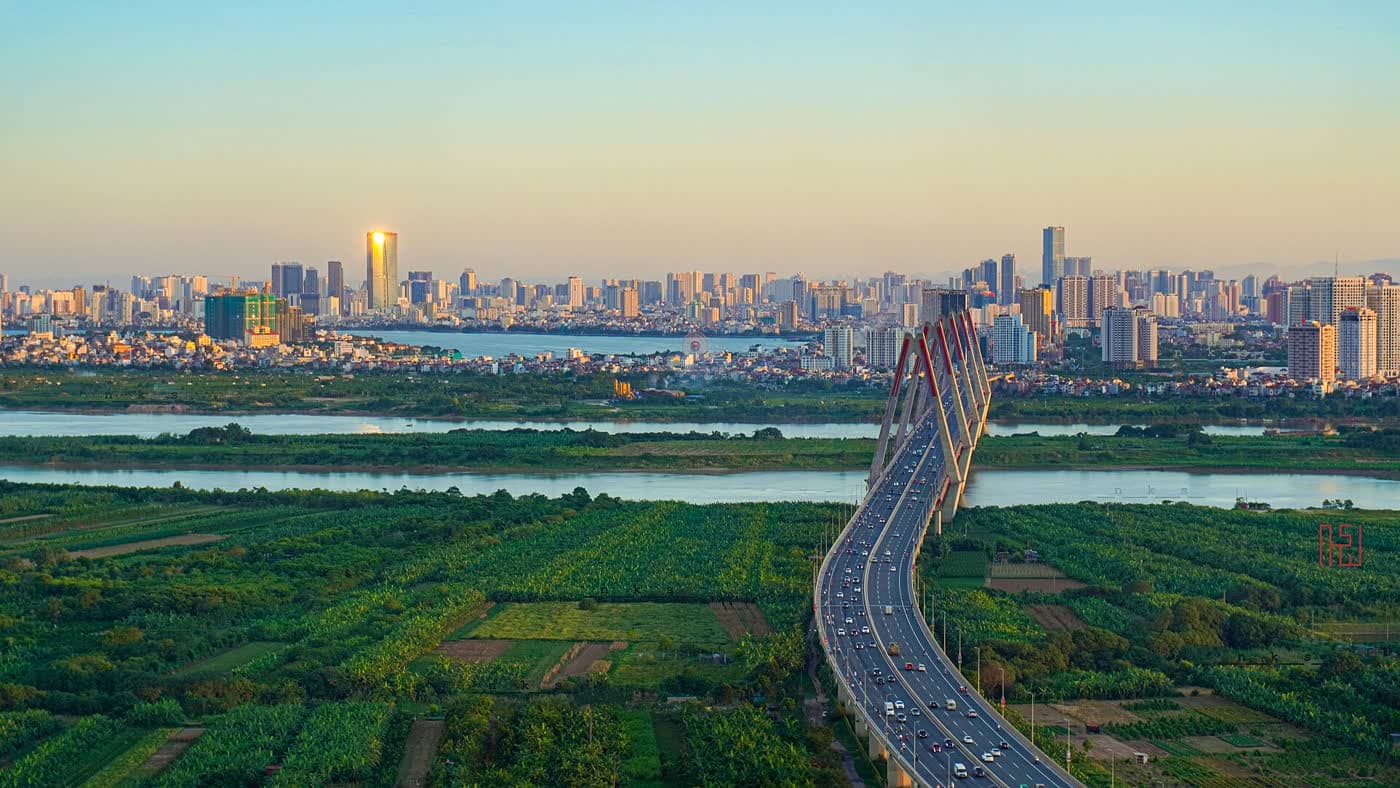
Hanoi skyline

01

Red River Delta

The political heart and the north's manufacturing engine

Economy
Home to Hanoi, the capital, and Hai Phong, the north's gateway port. The delta anchors Vietnam's electronics supply chain — global manufacturers operate major plants across Bac Ninh, Thai Nguyen and Hai Phong — alongside a fast-growing services and R&D scene in Hanoi.
Infrastructure
Noi Bai international airport, Lach Huyen deep-water port, dense expressway network to the Chinese border, Hanoi urban metro lines in operation.
Potential
Semiconductor packaging and testing, supporting industries for electronics, software and shared-service centers serving Northeast Asian investors.
  • Capital region — central agencies and embassies
  • Electronics manufacturing cluster of the north
  • Hai Phong: one of Vietnam's busiest ports
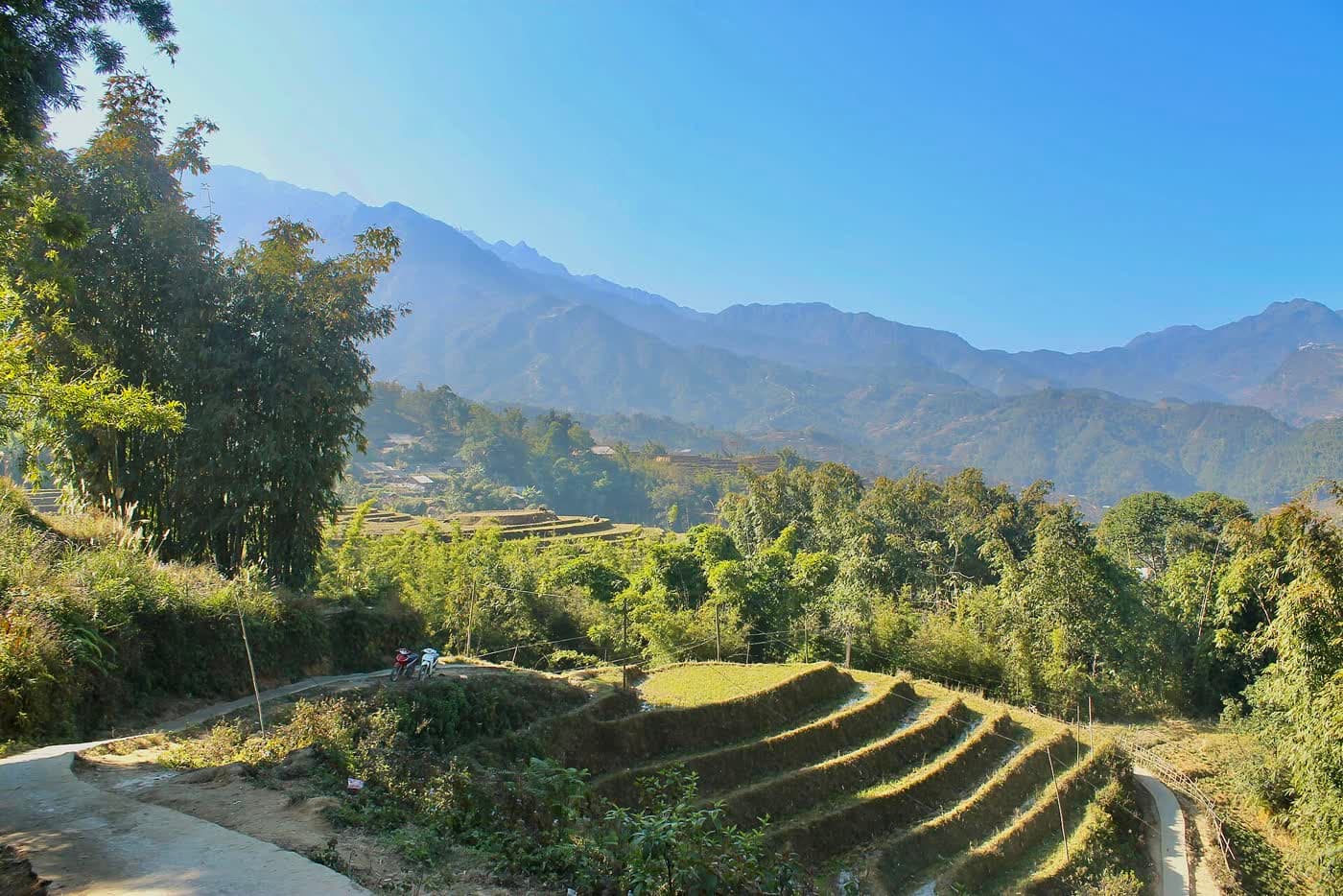
Sapa terraced rice fields

02

Northern Midlands & Mountains

Borderland trade routes, minerals and highland agriculture

Economy
Vietnam's land bridge to China, with major border gates in Lang Son and Lao Cai. The region combines mineral resources, hydropower, tea and forestry with rising industrial estates along the Hanoi–Lao Cai corridor, and tourism icons like Sa Pa and Ha Giang.
Infrastructure
Hanoi–Lao Cai expressway, cross-border rail links under upgrade, growing logistics hubs at the frontier gates.
Potential
Cross-border e-commerce logistics, agri-processing, renewable energy and community-based tourism.
  • Key China–ASEAN overland trade corridor
  • Hydropower backbone of the national grid
  • UNESCO-recognized highland landscapes
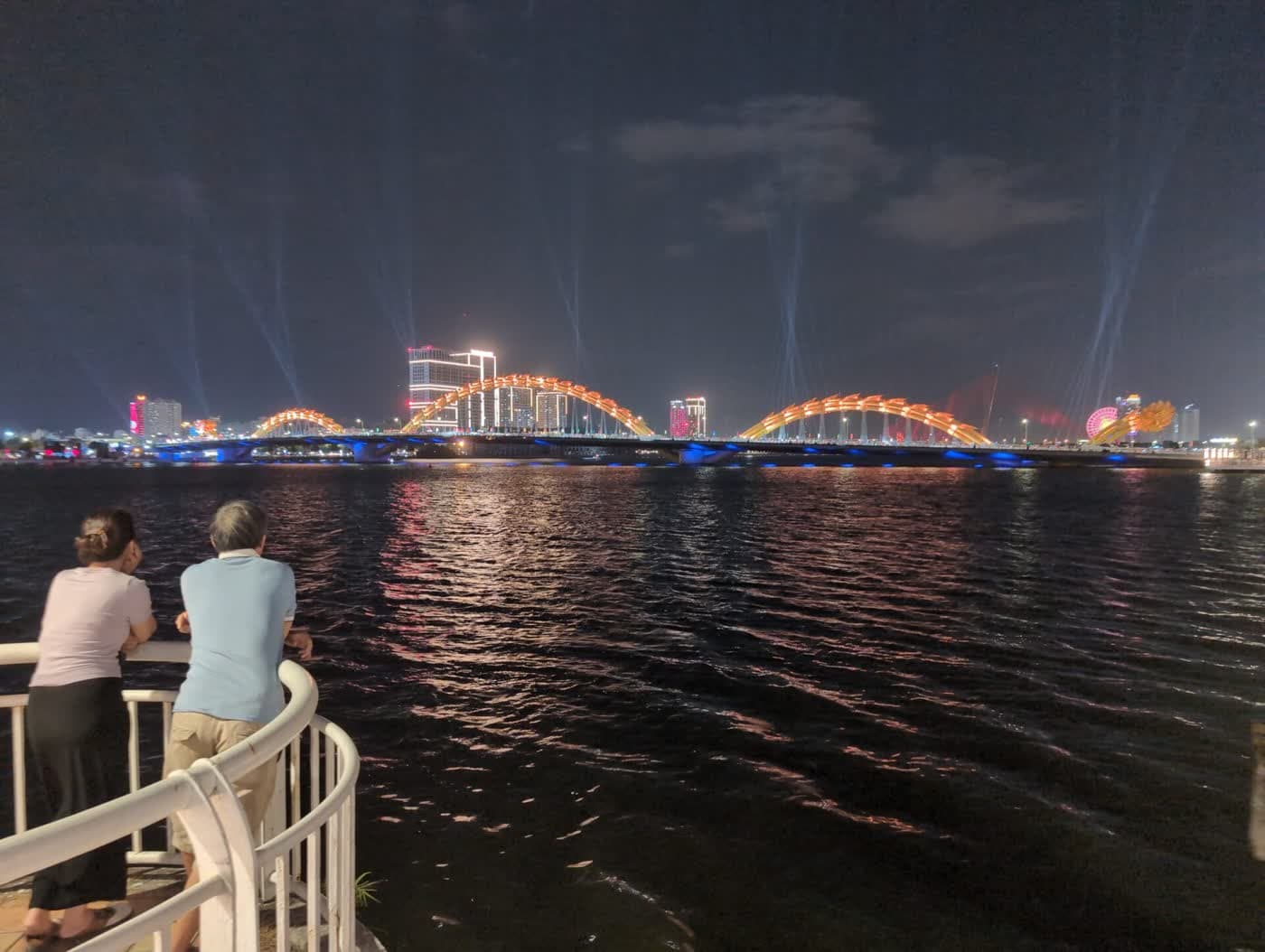
Dragon Bridge, Da Nang

03

Central Coast

A 1,000km logistics coastline with a tech-forward hub in Da Nang

Economy
Da Nang leads as central Vietnam's technology, tourism and finance hub, flanked by heavy-industry zones such as Dung Quat and Nghi Son (refining, steel) and heritage economies around Hue and Hoi An. Deep-water bays support a chain of ports serving the East–West Economic Corridor to Laos and Thailand.
Infrastructure
Da Nang international airport, Tien Sa and Chan May ports, the North–South expressway segments progressively linking the entire coast.
Potential
Software and digital services, semiconductor design talent programs, coastal renewable energy, premium tourism and MICE.
  • Da Nang: consistently top-ranked for governance
  • Gateway of the East–West Economic Corridor
  • World-heritage cluster: Hue, Hoi An, My Son
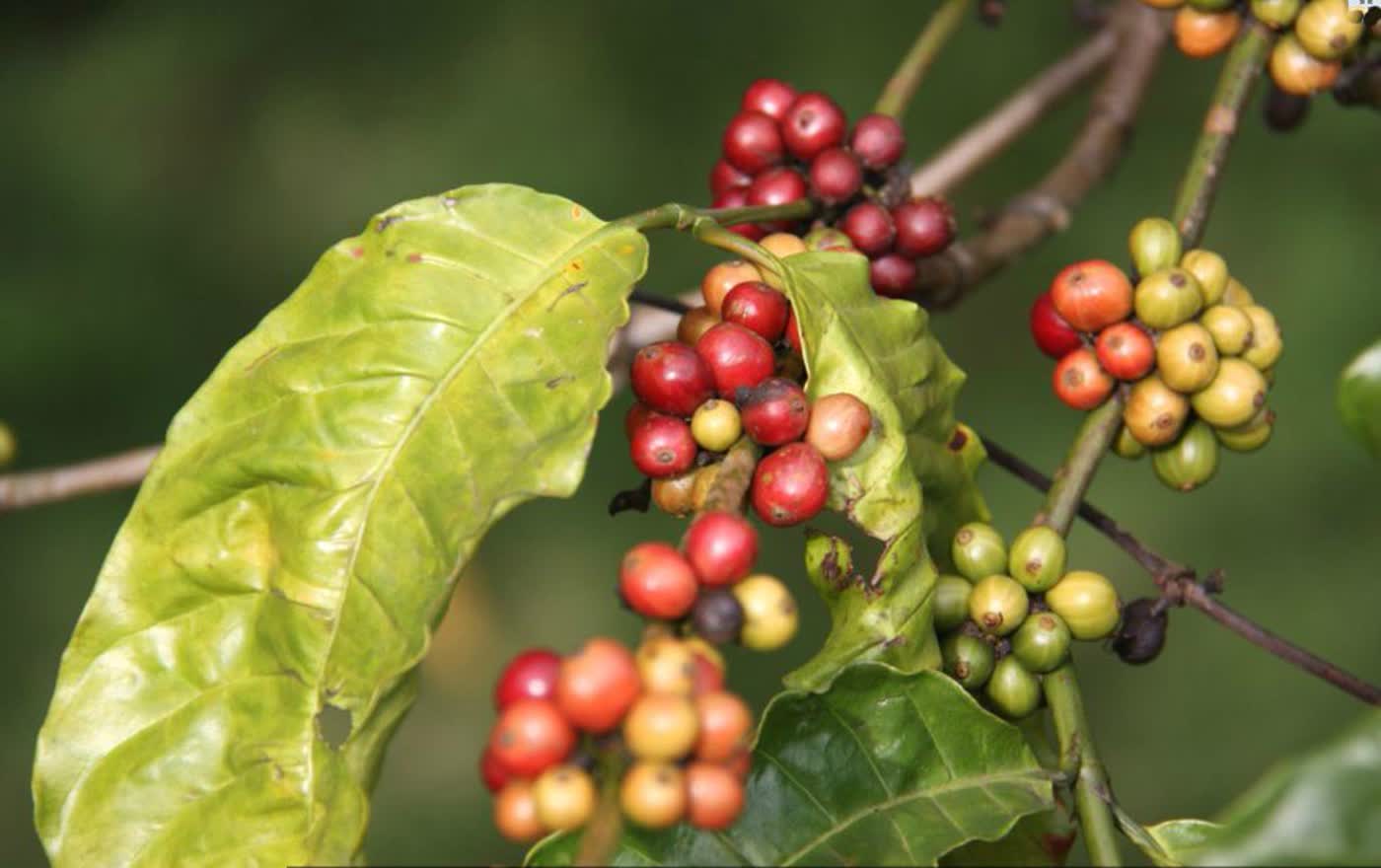
Coffee farm in Vietnam's Central Highlands

04

Central Highlands

The world's robusta coffee capital and a renewables frontier

Economy
Basalt plateaus around Buon Ma Thuot and Da Lat make Vietnam the world's leading robusta coffee exporter, alongside pepper, rubber, flowers and vegetables. Agri-processing and bauxite/aluminium projects are expanding the industrial base.
Infrastructure
Lien Khuong and Buon Ma Thuot airports, upgraded highways descending to the coastal ports, large-scale wind and solar farms already on the grid.
Potential
Specialty coffee and branded agri-exports, cold-chain logistics, wind power, eco- and agri-tourism.
  • World's #1 robusta growing region
  • Da Lat: year-round temperate agriculture
  • High wind & solar capacity factors
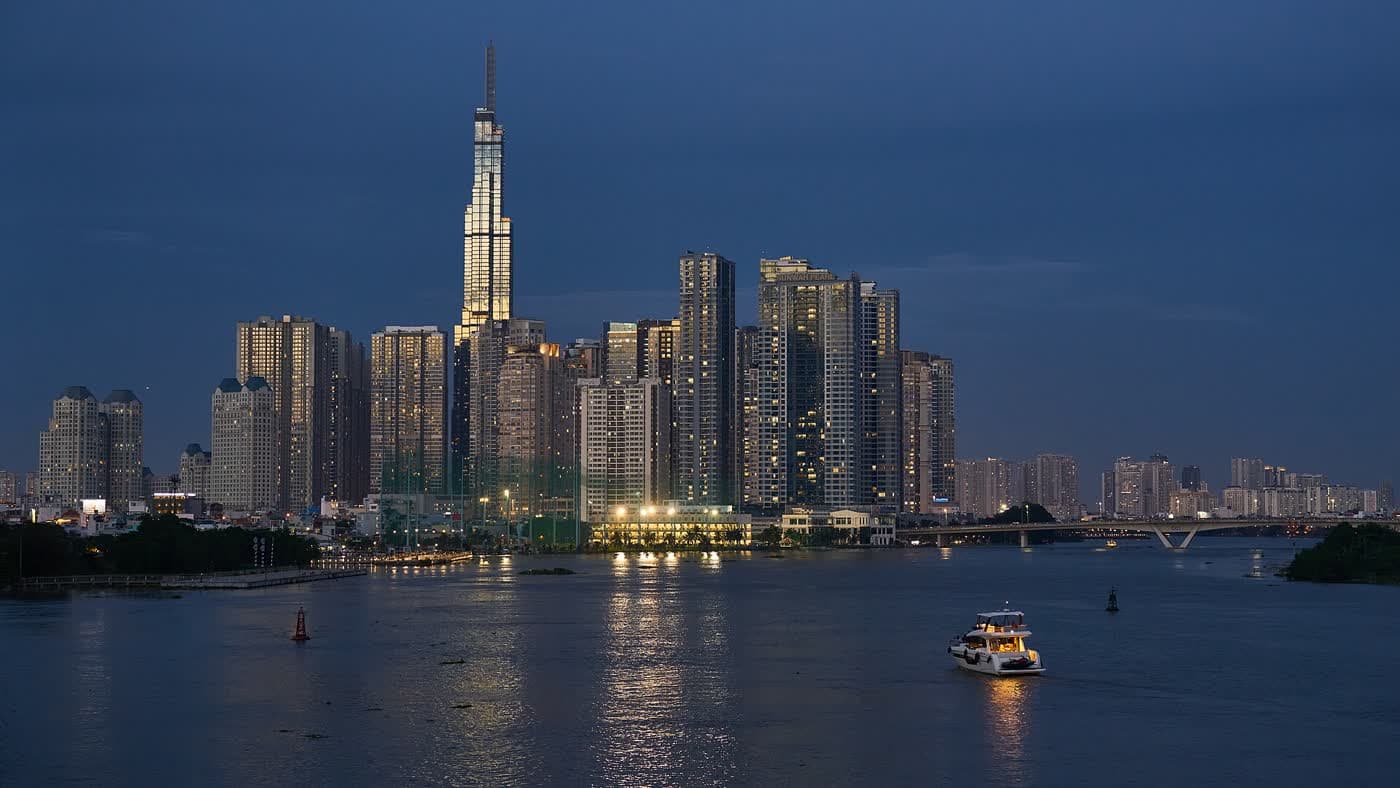
Ho Chi Minh City at blue hour

05

Southeast

Vietnam's commercial powerhouse around Ho Chi Minh City

Economy
The country's largest regional economy. Ho Chi Minh City drives finance, tech startups, consumer markets and headquarters activity; Binh Duong and Dong Nai host thousands of FDI factories; Ba Ria–Vung Tau operates Cai Mep–Thi Vai, the deep-water port complex taking Vietnam-made goods direct to the US and Europe.
Infrastructure
Tan Son Nhat airport plus Long Thanh international airport (phase 1 targeted for the late 2020s), HCMC Metro Line 1 in operation, ring roads 3 and 4 under construction, Cai Mep–Thi Vai deep-water gateway.
Potential
Regional headquarters, fintech and digital economy, high-value manufacturing, an emerging international financial center initiative in HCMC.
  • Largest contributor to national GDP
  • Cai Mep: direct US/EU shipping calls
  • Vietnam's startup & venture capital
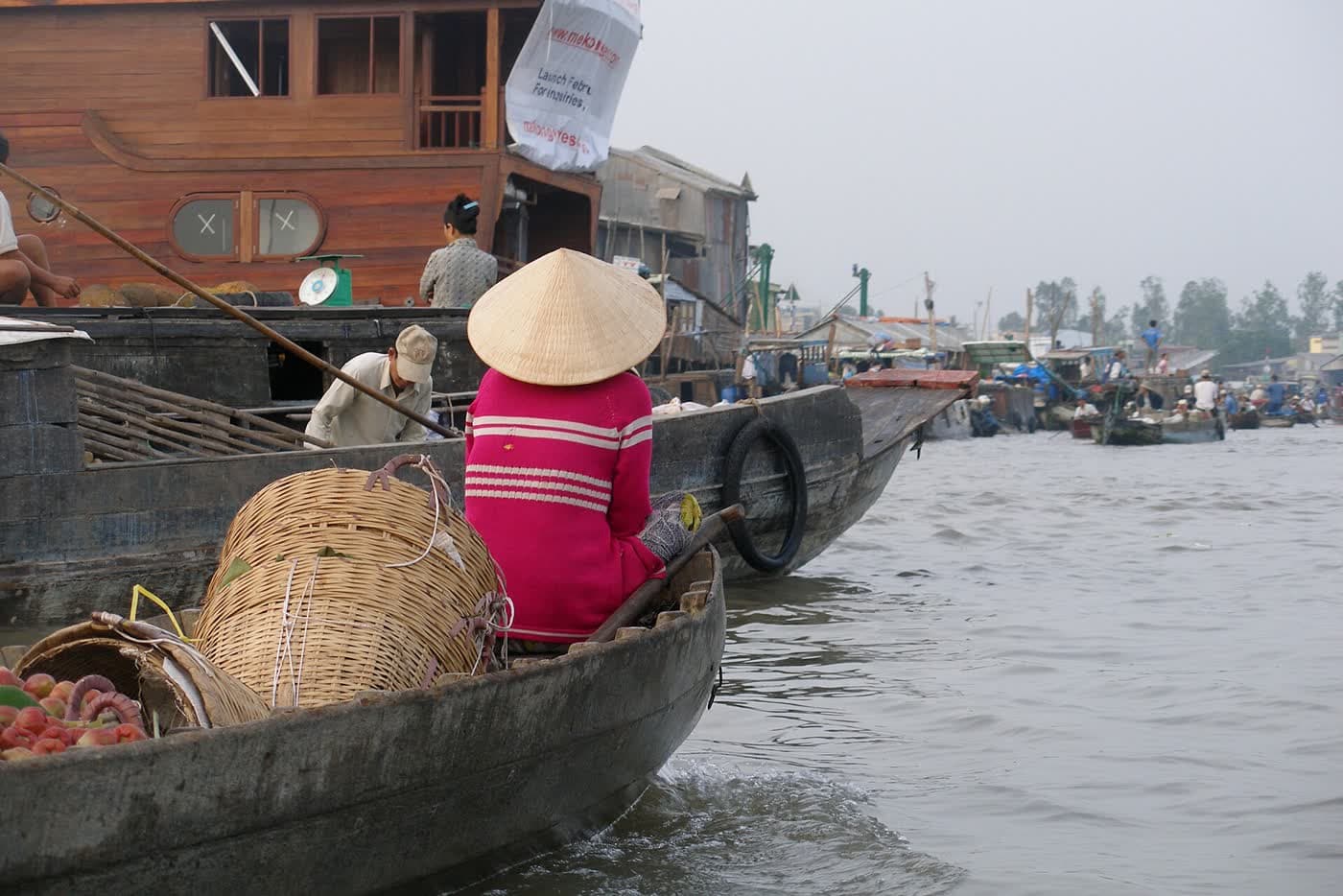
Floating market in Can Tho, Mekong Delta

06

Mekong Delta

The rice bowl and aquaculture heartland feeding global markets

Economy
Producing the bulk of Vietnam's rice, fruit and farmed seafood exports — pangasius and shrimp above all — the delta anchors the country's position among the world's top agricultural exporters. Can Tho serves as the regional hub for processing, education and services.
Infrastructure
New expressways pushing south from HCMC toward Can Tho and Ca Mau, upgraded river logistics, Can Tho international airport.
Potential
Value-added food processing, cold-chain and river-port logistics, climate-resilient agritech, offshore wind along the coast.
  • Among the world's top rice exporters
  • Global leader in pangasius aquaculture
  • 12 million+ tonnes of fruit a year

Four decades in fast-forward

How a closed, agrarian economy became one of the world's most open trading nations.

  1. 1986

    1986Đổi Mới reforms

    Vietnam launches market reforms, opening the door to private business and foreign investment.

  2. 1995

    1995–2007Joining the world

    Normalization with the US, ASEAN membership, and WTO accession in 2007 lock in the export-led model.

  3. 2015

    2015–2020FTA generation

    CPTPP, EVFTA and RCEP make Vietnam one of the most FTA-connected economies anywhere — 16+ agreements covering most major markets.

  4. 2023

    2023–2025Strategic upgrade

    Comprehensive strategic partnerships with the US, Japan, Australia and others; a sweeping administrative restructuring consolidates 63 provinces into 34 to speed up governance.

  5. 2026

    2026 →The next chapter

    Semiconductors, green energy under PDP8, digital economy past US$36B GMV, and a target of high-income status by 2045.

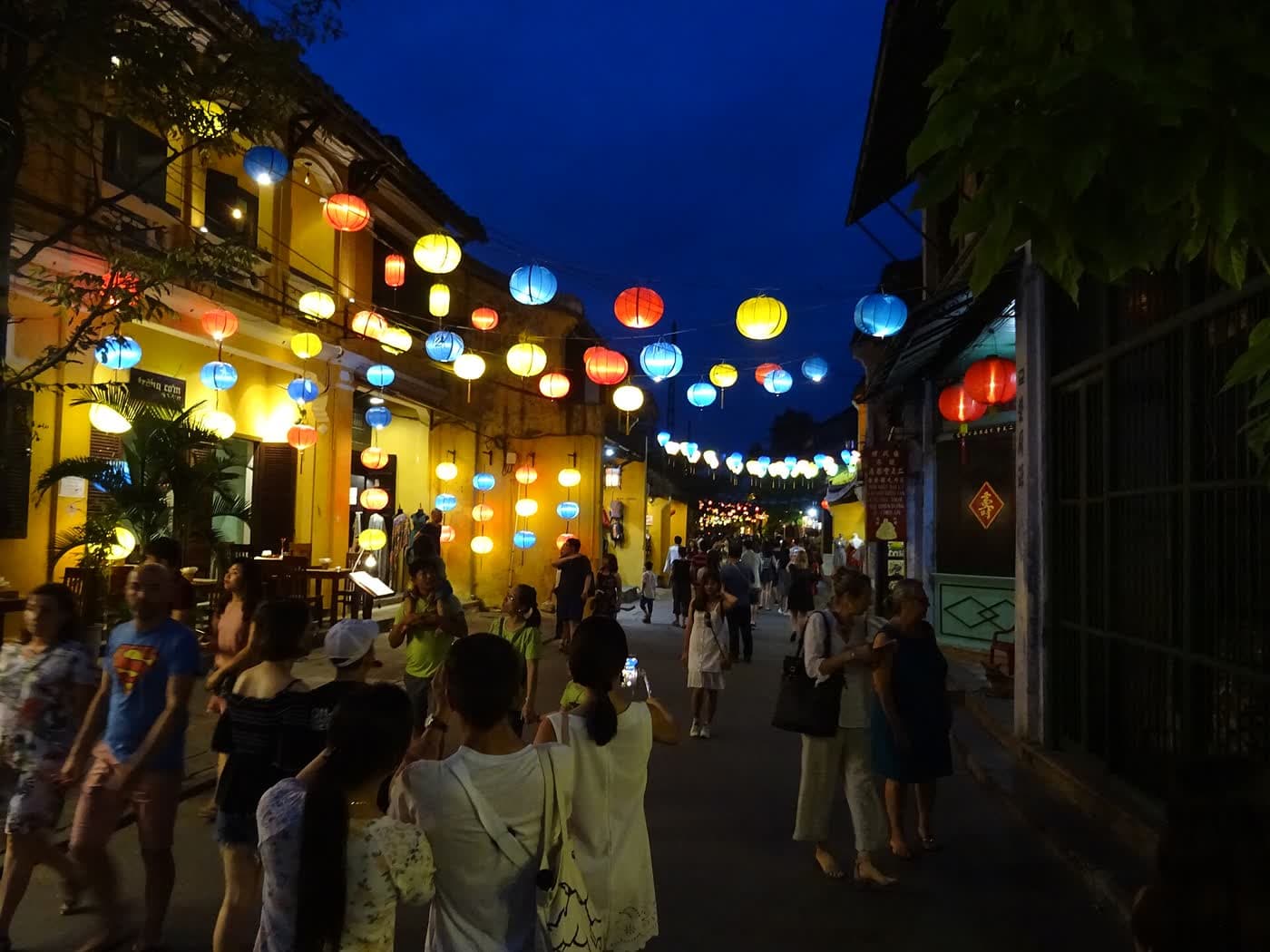
Lanterns in Hoi An

The people advantage

A median age around 33. A labor force of more than 52 million with literacy above 95%. A culture that prizes education, adaptability and hard work — and a consumer class growing faster than almost anywhere in Asia. Vietnam's demographics are not just a cost story; they are a talent and market story.

  • 40,000+ IT graduates enter the workforce each year
  • English proficiency rising fastest in urban hubs
  • A diaspora of ~5 million connecting global markets

Ready to put Vietnam on your map?

We help you pick the right region, the right structure and the right partners — then execute on the ground.

Sources & credits

Statistics reflect the most recent official figures available as of early 2026 and are rounded; verify current numbers with the sources below before relying on them.

Photos (Wikimedia Commons) & video (Pexels)