Employee termination is one of the highest-risk actions a foreign employer can take in Vietnam. Unlike “at-will” jurisdictions, Vietnam’s labor law is strict, procedural, and employee-protective—and mistakes frequently lead to
Employment contracts in Vietnam are highly regulated, formal, and employee-protective. For foreign companies, using the wrong contract type—or the right type incorrectly—can lead to labor disputes, penalties, or unenforceable terminations.
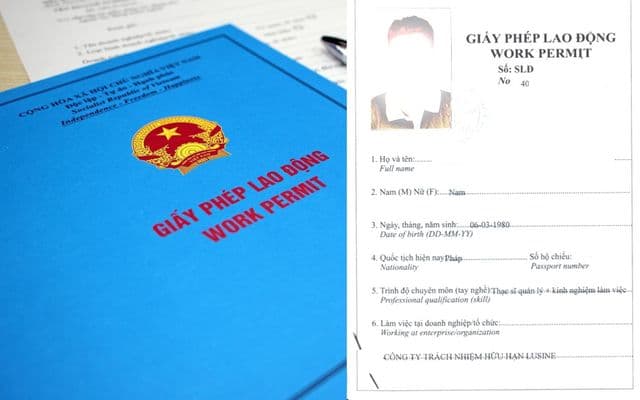
If your company plans to employ foreign nationals in Vietnam, understanding the work permit framework is critical. Vietnam enforces work authorization rules strictly, and non-compliance can invalidate employment contracts, visas,
Payroll and employment compliance in Vietnam is one of the most common failure points for foreign employers. Even companies with strong HR practices elsewhere often struggle with Vietnam’s documentation requirements,
Vietnam’s employment law framework is entering a new phase in 2026, with tighter enforcement, higher compliance standards, and expanded employee protections. These changes will have direct implications for foreign-invested enterprises
Vietnam continues to be one of Asia’s most attractive hiring destinations in 2026, offering a strong talent pool and competitive labor costs. However, for foreign companies, salary alone does not
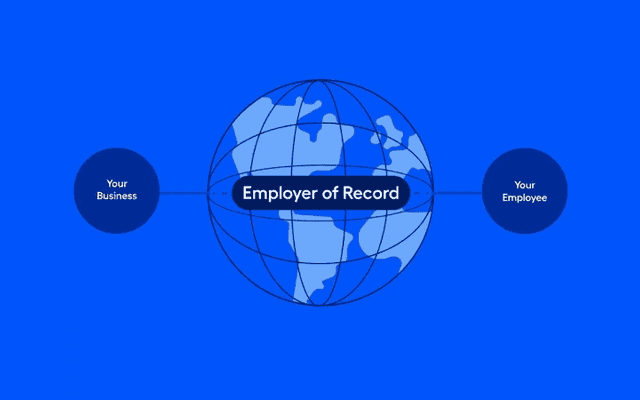
When expanding into Vietnam, foreign companies face a critical decision: Should you hire through an Employer of Record (EOR), or set up your own legal entity? Both options are legal,
Hiring talent in Vietnam is attractive for many foreign companies—but setting up a legal entity isn’t always the right first step.Fortunately, it is fully possible to hire employees in Vietnam
What Is an Employer of Record (EOR) in Vietnam? An Employer of Record (EOR) in Vietnam is a third-party company that legally employs staff on your behalf, while you retain