Compliance Management Systems for Vietnam Operations
How Foreign Companies Can Prevent Regulatory Risk Instead of Reacting to It
Compliance in Vietnam is rarely a single event. It is an ongoing process involving tax filings, labor obligations, licensing conditions, financial reporting, and operational conduct. Many foreign companies initially manage compliance through external accountants or legal advisors. This approach can work during early stages, but as operations grow, fragmented compliance responsibilities often create gaps.
A structured compliance management system allows companies to identify risks early, coordinate responsibilities across departments, and ensure that obligations are met consistently rather than reactively.
Why Compliance Failures Often Appear Late
Most compliance issues in Vietnam develop gradually. Individual tasks-tax filings, payroll reporting, contract documentation-may seem routine. However, when these tasks are handled by different teams without coordination, small inconsistencies accumulate.
These issues usually become visible only when:
- tax authorities conduct an inspection,
- a banking review questions transaction documentation,
- a group audit examines subsidiary processes, or
- the company prepares for a transaction or restructuring.
By that stage, remediation is more complex and often time-sensitive. A compliance management system aims to prevent this situation by ensuring that compliance obligations are monitored continuously rather than periodically.
What a Compliance Management System Includes
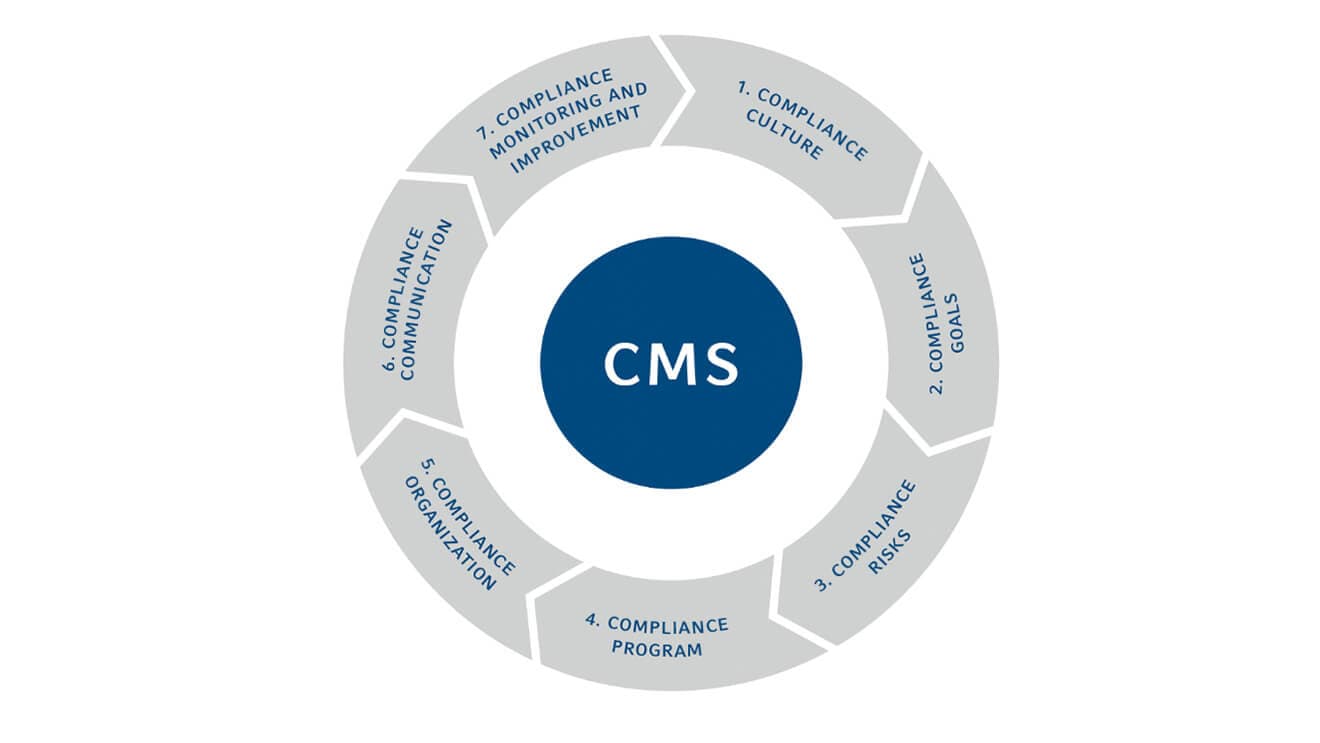
A compliance management system is not simply a set of policies. It is a structured framework that defines how the company identifies, monitors, and addresses regulatory obligations.
In Vietnam operations, such a system typically covers:
- Regulatory obligations tracking. This includes tax filings, social insurance reporting, licensing conditions, and corporate governance requirements.
- Clear responsibility allocation. Each compliance area must have a designated responsible function or individual.
- Standardized documentation practices. Contracts, approvals, and filings must be stored and accessible for review.
- Monitoring and escalation procedures. Potential compliance risks should be reported and addressed before they become violations.
The goal is to integrate compliance into daily operations rather than treating it as an occasional administrative task.
Key Compliance Areas for Vietnam Entities
Tax and Accounting Compliance
Vietnam’s tax system involves regular filings and documentation requirements. Corporate income tax, value-added tax, and withholding tax obligations must be handled accurately and on time. Even minor inconsistencies between accounting records and tax filings can trigger questions during audits.
A compliance system ensures that finance teams track deadlines, maintain supporting documentation, and review filings before submission.
Labor and Employment Compliance
Employment compliance includes labor contracts, payroll records, social insurance contributions, and internal regulations. These elements are often examined during labor inspections or disputes.
Companies with a structured compliance system monitor employment documentation regularly, reducing the risk of disputes or penalties.
Licensing and Regulatory Scope
Business licenses in Vietnam define the activities a company is authorized to conduct. As companies expand their services or products, licensing scope must remain aligned with actual operations.
A compliance system ensures that regulatory approvals are reviewed before operational changes occur.
Corporate Governance and Reporting
Vietnam subsidiaries must maintain corporate records, board resolutions, and shareholder approvals for certain decisions. When governance documentation is incomplete, companies may encounter difficulties during audits or transactions.
A compliance framework ensures that these records are maintained systematically.
Why Compliance Systems Often Fail
In many foreign subsidiaries, compliance responsibilities evolve organically. External advisors handle filings, internal teams focus on operations, and senior management assumes everything is under control.
This arrangement can work temporarily but often fails when:
- the company expands quickly,
- responsibilities are unclear, or
- communication between departments is limited.
Without coordination, compliance becomes reactive and fragmented.
Designing a Practical Compliance Framework
An effective compliance system should be proportionate to the company’s size and complexity. It should not create unnecessary bureaucracy but must ensure that key obligations are tracked and documented.
Successful systems usually include:
- a centralized compliance calendar,
- periodic internal reviews of regulatory obligations,
- documentation standards for contracts and approvals, and
- reporting lines that allow issues to escalate early.
When these elements are present, compliance becomes predictable rather than disruptive.
The Strategic Value of Compliance
Compliance management is sometimes viewed as a defensive exercise. In reality, it supports broader strategic goals. Companies with strong compliance systems typically experience smoother banking relationships, more efficient audits, and greater confidence from investors or potential buyers.
In other words, compliance contributes not only to regulatory stability but also to operational credibility and long-term value.
How BusinessPartner.vn Supports Compliance Management
BusinessPartner.vn assists foreign companies in establishing practical compliance management systems for their Vietnam operations. Our advisors help identify regulatory obligations, design monitoring processes, and align local compliance practices with international governance standards.
By integrating compliance into daily operations, companies reduce regulatory risk and ensure that growth in Vietnam remains sustainable.
👉 If your Vietnam operations are expanding and compliance responsibilities are becoming more complex, BusinessPartner.vn can help design a framework that keeps your business aligned with regulatory requirements while maintaining operational efficiency.