Internal Controls for Vietnam Entities: Preventing Compliance and Financial Risk
How Foreign-Owned Companies Can Maintain Control Without Slowing Operations
Internal controls are often discussed in the context of large corporations and complex financial systems. Yet for foreign companies operating in Vietnam, internal controls are equally important-even for relatively small subsidiaries. Without them, companies risk compliance failures, financial leakage, and governance breakdowns that surface only when audits, inspections, or transactions occur.
This article explains what internal controls actually mean in a Vietnam context, where risks typically arise, and how companies can implement practical controls that support operations rather than hinder them.
Why Internal Controls Matter in Vietnam
Vietnam’s business environment combines operational flexibility with procedural regulation. This means that while daily decisions may feel informal, regulators and auditors rely heavily on documentation and process.
Weak internal controls often lead to issues such as:
- Unauthorized contracts or payments
- Misaligned tax and accounting records
- Compliance gaps in labor or licensing obligations
- Difficulty passing financial or operational audits
In many cases, the problem is not intentional misconduct but lack of clear systems and responsibilities.
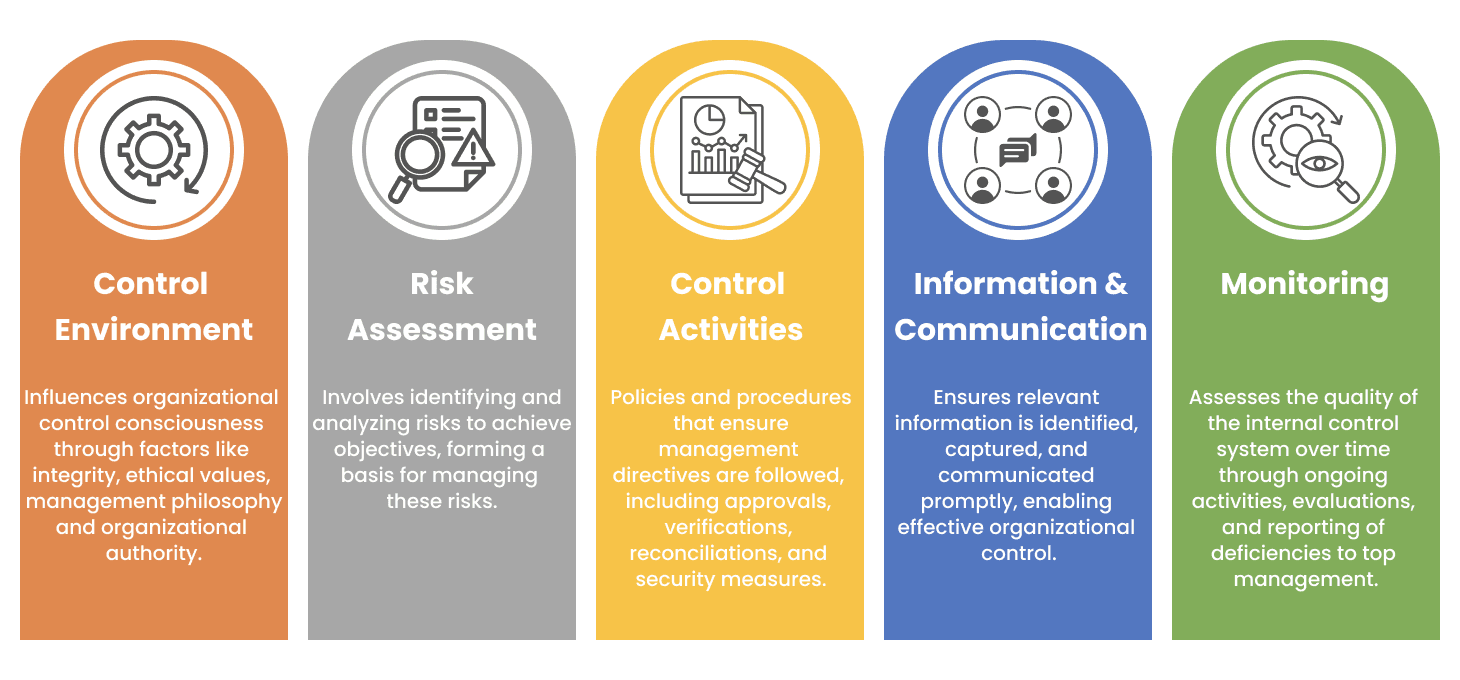
What Internal Controls Actually Cover
Internal controls extend beyond finance departments. In Vietnam subsidiaries they typically govern:
- Approval of contracts and expenditures
- Cash management and payment authorization
- Financial reporting and accounting accuracy
- Compliance monitoring across tax, labor, and licensing
- Data protection and record management
When these areas operate independently without coordination, risk accumulates.
The Most Common Control Gaps in Foreign Subsidiaries
Unclear Approval Authority
Many companies lack clear rules about who can approve:
- Contracts
- Procurement decisions
- Financial commitments
When authority is ambiguous, employees may act beyond their mandate, exposing the company to unexpected obligations.
Weak Segregation of Duties
In smaller subsidiaries, the same individual may handle:
- Vendor selection
- Payment approval
- Accounting entries
While convenient, this concentration of responsibility increases the risk of error or misuse.
Informal Financial Processes
Foreign headquarters often expect standardized reporting, but local processes may rely on manual tracking or incomplete documentation.
This can result in:
- Delayed financial reporting
- Difficulty reconciling accounts
- Increased audit risk
Inconsistent Compliance Monitoring
Tax filings, labor documentation, and licensing obligations may be handled reactively rather than systematically.
Without regular monitoring, small issues accumulate and become larger problems during inspections.
Designing Internal Controls That Work in Practice
Effective internal controls should be proportionate to the size and complexity of the subsidiary. Overly complex systems can slow operations, while overly simple ones leave gaps.
A practical framework includes:
- Clear approval thresholds for financial and contractual commitments
- Separation of critical financial duties, even in small teams
- Standardized documentation practices for contracts and transactions
- Regular compliance reviews covering tax, labor, and regulatory obligations
- Periodic reporting to the board or parent company
These measures create transparency without excessive bureaucracy.
Internal Controls and Banking Relationships
Banks in Vietnam often review company documentation when processing transactions. Weak internal controls can cause:
- Delayed payments
- Requests for additional documentation
- Questions about transaction legitimacy
Strong internal controls therefore support smoother financial operations.
Internal Controls During Audits and Inspections
When tax authorities or regulators conduct inspections, internal controls determine how easily a company can respond.
Companies with strong systems can:
- Produce documentation quickly
- Demonstrate compliance processes
- Resolve questions efficiently
Those without controls may struggle to reconstruct records after the fact.
Internal Controls in M&A and Exit Situations
Potential buyers and investors closely examine governance and internal control systems during due diligence.
Weak controls can raise concerns about:
- Financial accuracy
- Compliance culture
- Operational reliability
Improving internal controls before a transaction strengthens both valuation and credibility.
Balancing Control and Flexibility
Foreign companies sometimes hesitate to introduce controls for fear of slowing local teams. In practice, clear systems often accelerate decision-making by removing ambiguity.
Employees know:
- What approvals are required
- How to document decisions
- Where responsibilities begin and end
The result is greater operational confidence, not restriction.
How BusinessPartner.vn Helps Strengthen Internal Controls
BusinessPartner.vn works with foreign companies to:
- Assess internal control frameworks for Vietnam entities
- Design approval and reporting structures
- Align local processes with group governance standards
- Prepare subsidiaries for audits, inspections, and transactions
- Improve transparency without creating operational friction
👉 If your Vietnam subsidiary is growing but governance systems have not kept pace, speak with our advisors before control gaps become compliance or financial risks.