Manufacturing Playbook: How to Set Up and Scale Manufacturing Operations in Vietnam
This playbook explains how foreign manufacturers can enter Vietnam correctly, manage regulatory and capital risks, and build scalable operations without…
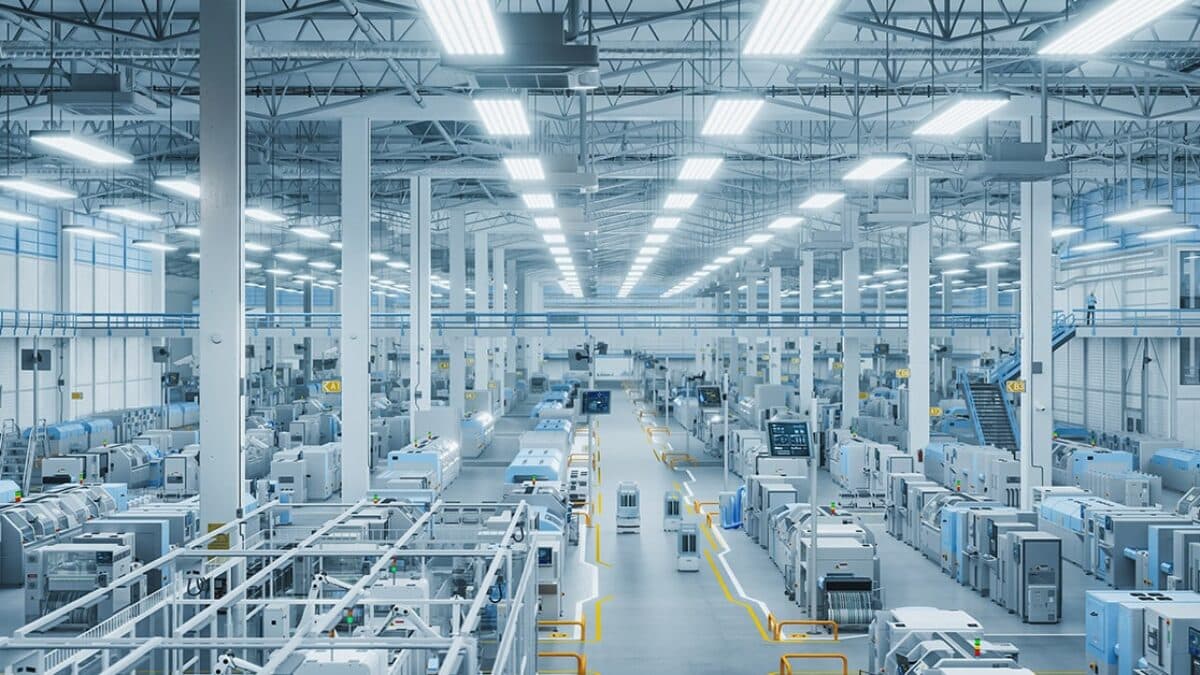
A Practical Guide for Foreign Investors in a Regulatory-Heavy, High-Capex Environment
Vietnam has become a core destination in global manufacturing diversification strategies, particularly under the China-plus-one approach. Competitive labor costs, expanding industrial zones, and strong trade agreement coverage make Vietnam attractive-but manufacturing entry is not fast, simple, or forgiving of mistakes.
This playbook explains how foreign manufacturers can enter Vietnam correctly, manage regulatory and capital risks, and build scalable operations without costly rework.
Vietnam Manufacturing: Strong Opportunity, High Commitment
Vietnam offers genuine manufacturing advantages, especially for export-oriented industries. The country has invested heavily in industrial infrastructure, ports, and logistics, and continues to attract global manufacturers across electronics, textiles, furniture, automotive components, and consumer goods.
At the same time, manufacturing is one of the most regulated forms of foreign investment in Vietnam. Entry decisions involve long timelines, multi-layer approvals, land use restrictions, environmental compliance, and irreversible capital commitments.
Manufacturing success in Vietnam depends far more on pre-investment structuring than on post-setup optimization.
Choosing the Right Manufacturing Model
Before discussing licenses or land, manufacturers must decide how they will operate in Vietnam.
Some companies manufacture directly through a wholly foreign-owned entity. This provides full control but requires the highest capital commitment and compliance burden.
Others begin with contract manufacturing or OEM partnerships to validate cost, quality, and supply chain reliability before investing in their own facility. This reduces upfront risk but limits control.
Joint ventures are sometimes required in restricted sectors, but they introduce governance and exit complexity. Many foreign manufacturers underestimate how difficult it is to unwind a joint venture once assets are deployed.
The wrong entry model can lock a company into years of operational inefficiency.
Location Strategy: North vs South Vietnam
Manufacturing location is a strategic decision, not just a cost decision.
Northern Vietnam is closely linked to China, making it ideal for electronics, components, and cross-border supply chains. It offers strong access to ports near Haiphong and proximity to Chinese suppliers.
Southern Vietnam, particularly around Ho Chi Minh City, provides better access to domestic consumption, diversified labor pools, and mature industrial services. It is well suited for consumer goods and mixed export-domestic models.
Industrial zone selection matters more than city choice. Each zone has different:
- Licensing efficiency
- Infrastructure quality
- Labor availability
- Environmental constraints
Once land is committed, relocation is extremely costly.
Licensing & Investment Approval: Where Most Delays Happen
Manufacturing projects require investment registration approval before setup. Depending on sector and scale, this may involve:
- Investment Registration Certificate (IRC)
- Enterprise Registration Certificate (ERC)
- Environmental approvals
- Construction permits
- Fire safety approvals
- Sector-specific licenses
Environmental impact assessment is often the longest and least predictable stage. Underestimating environmental review timelines is a common reason projects miss production targets by months-or years.
Licensing should be treated as a project phase, not a formality.
Capital Structure & Funding Considerations
Manufacturing investments require careful capital planning.
Authorities expect:
- Clear capital contribution schedules
- Proof of funding capacity
- Alignment between investment capital and project scale
Under-capitalized projects face approval delays and compliance scrutiny. Over-capitalization ties up cash unnecessarily.
Once capital is registered, changes are possible-but slow. Capital planning mistakes are difficult to fix after approval.
Workforce Planning: Availability vs Readiness
Vietnam offers a large manufacturing workforce, but availability does not equal readiness.
Labor costs are competitive, but:
- Skilled technicians require training
- Middle management shortages exist
- Labor turnover varies by region and industry
Manufacturers that succeed invest early in:
- Training programs
- Supervisory development
- Compliance-aligned HR systems
Labor disputes in manufacturing can halt production quickly and attract regulatory attention.
Tax Incentives: Valuable but Conditional
Vietnam offers attractive tax incentives for manufacturing projects, especially in:
- Priority industries
- Industrial zones
- High-tech or export-oriented projects
However, incentives are:
- Not automatic
- Conditional on compliance
- Subject to clawback if requirements are breached
Many manufacturers plan around incentives that are later reduced or denied due to procedural missteps during licensing.
Incentives should be treated as upside, not as the foundation of the business case.
Supply Chain & Partner Risk
Vietnam’s manufacturing ecosystem is improving rapidly, but supplier depth varies by sector.
Foreign manufacturers often assume local sourcing will be easier than it is. In reality:
- Tier-1 suppliers may be limited
- Quality consistency varies
- Compliance standards differ
Strong manufacturers phase localization gradually rather than forcing it early.
Compliance Is Ongoing, Not One-Time
Manufacturing compliance does not end after setup.
Ongoing obligations include:
- Monthly accounting and tax filings
- Labor and social insurance compliance
- Environmental monitoring
- Factory inspections
- Customs and import/export audits
Manufacturers that focus only on production output often miss compliance drift until inspections occur.
Common Manufacturing Entry Mistakes in Vietnam
Across failed or delayed projects, the same issues appear:
- Choosing land before confirming licensing feasibility
- Underestimating environmental approval timelines
- Over-reliance on local partners without due diligence
- Rushing capital registration
- Treating compliance as a back-office issue
- Assuming incentives are guaranteed
These mistakes are expensive because manufacturing assets are not mobile.
A Safer Manufacturing Entry Path
A disciplined approach typically works best.
First, conduct regulatory and location feasibility analysis.
Second, validate suppliers and labor availability.
Third, structure capital and incentives conservatively.
Only then commit to land, construction, and equipment.
Manufacturing success in Vietnam is built before ground is broken.
How BusinessPartner.vn Supports Manufacturing Investors
BusinessPartner.vn supports foreign manufacturers with:
- Market entry and investment structuring
- Industrial zone and location advisory
- Licensing and regulatory coordination
- Capital planning and incentive assessment
- Accounting, tax, and compliance setup
- Local partner and supplier due diligence
- Ongoing compliance and expansion support
👉 Speak with our Vietnam manufacturing advisors to assess feasibility, timelines, and risk before committing capital.
Recommended Reading
Market Entry & Legal Setup in Vietnam
Accounting & Tax Compliance in Vietnam