Cash Trapped in Vietnam: Causes & Solutions
This article explains why cash gets trapped in Vietnam, the patterns behind the problem, and how companies can resolve it without escalating risk or…
Why Profits Accumulate but Don’t Move-and How to Unlock Them Safely
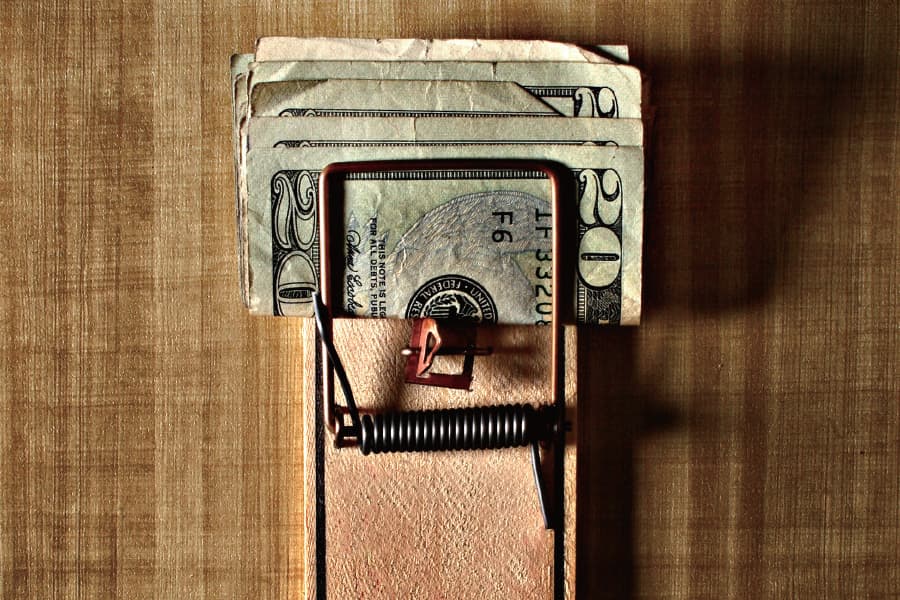
For many foreign companies, the most frustrating phase of operating in Vietnam is not generating revenue-it’s getting cash out. Profits appear in management accounts, bank balances grow locally, yet transfers are delayed, questioned, or blocked. Over time, cash becomes effectively “trapped,” limiting group liquidity and strategic options.
This article explains why cash gets trapped in Vietnam, the patterns behind the problem, and how companies can resolve it without escalating risk or triggering audits.
What “Cash Trapped” Really Means
Cash is considered trapped when funds are legally earned but cannot be repatriated or reallocated due to procedural, tax, FX, or documentation barriers.
This is rarely caused by a single rule. It is almost always the result of structural misalignment between:
- Capital structure
- Contracts
- Tax treatment
- FX procedures
- Banking documentation
When these elements don’t tell the same story, banks stop the flow.
The Most Common Causes of Trapped Cash
1) Historic Tax Gaps That Surface Late
Even small unresolved tax issues can block large transfers.
Typical examples include:
- Withholding tax underpaid on past service fees
- VAT documentation gaps
- Unfinalized audits or inspections
Banks routinely require confirmation that tax obligations are fully settled before processing outbound payments.
Why this traps cash:
Tax issues are often identified only when repatriation is attempted-at which point remediation takes time.
2) Weak or Inconsistent Intercompany Contracts
Many companies rely on generic or outdated intercompany agreements.
Problems arise when:
- Services are vaguely defined
- Pricing lacks arm’s-length support
- Invoices don’t match contractual scope
Banks and tax authorities treat weak contracts as insufficient proof of payment purpose.
Why this traps cash:
Payments without defensible contracts are delayed or rejected.
3) Misaligned Repatriation Strategy
Companies often default to dividends-or switch between dividends, management fees, and royalties reactively.
This creates confusion when:
- Dividends are planned before audits are complete
- Management fees are used to extract profits without real services
- Royalties are paid without robust IP documentation
Why this traps cash:
Changing routes without restructuring increases scrutiny across all routes.
4) FX Documentation Doesn’t Match Reality
FX controls in Vietnam are procedural. Problems arise when:
- Payment purposes change over time
- Transaction volumes increase suddenly
- New payment types are introduced without prior alignment
Banks compare every transaction against contracts, licenses, and tax filings.
Why this traps cash:
Once inconsistencies are flagged, banks require clarification before releasing funds.
5) Unregistered or Poorly Structured Intercompany Loans
Loans are often used to fund operations quickly-but not always registered correctly.
Common issues include:
- Loans disbursed before registration
- Interest rates not matching approved terms
- Repayments attempted from the wrong account
Why this traps cash:
Banks block repayment until loan registration and compliance are corrected-sometimes retroactively.
6) Business Scope and Licensing Mismatch
Banks cross-check payment purposes against the company’s licensed activities.
Cash becomes trapped when:
- The company pays for services outside licensed scope
- New activities begin without license updates
Why this traps cash:
Banks may require license amendments before allowing transfers.
Why Cash Gets Trapped Gradually (Not All at Once)
Most companies operate smoothly at low volumes. Trapped cash appears when:
- Profits grow
- Transfers increase in size or frequency
- Audits or inspections begin
- Exit or dividend planning starts
By then, urgency is high-but fixes are procedural, not immediate.
How to Diagnose Trapped Cash
Before acting, companies should identify where the blockage sits.
Ask:
- Is the issue tax clearance, FX approval, or banking documentation?
- Does the problem affect all outbound payments or specific routes?
- Are historic transactions part of the issue?
Treating symptoms without diagnosing the cause often worsens delays.
Practical Solutions to Unlock Trapped Cash
1) Stabilize the Tax Position First
Resolve:
- Outstanding withholding tax
- VAT documentation issues
- Audit findings or queries
Tax clearance is often the gatekeeper for all other solutions.
2) Rebuild Contractual Alignment
Update:
- Intercompany service agreements
- IP and royalty contracts
- Loan documentation
Contracts should reflect actual services and flows, not legacy templates.
3) Choose One Primary Repatriation Route
Avoid switching between routes midstream.
Select:
- Dividends for clean, long-term extraction
- Management fees for operational cash flow (if defensible)
- Royalties only where IP genuinely drives value
Consistency reduces scrutiny.
4) Align With Banks Proactively
Engage banks early to:
- Explain payment flows
- Validate documentation expectations
- Sequence remediation steps
Banks prefer predictability over surprise.
5) Accept That Some Fixes Take Time
There is rarely a “fast” fix for trapped cash. The goal is to:
- Unlock future flows predictably
- Reduce escalation risk
- Restore confidence with banks and authorities
Shortcuts often backfire.
Preventing Cash From Getting Trapped Again
Companies that avoid repeat issues:
- Design repatriation at entry-not year-end
- Keep contracts, tax, and FX aligned
- Review repatriation readiness annually
- Treat banks as compliance partners
Prevention is far cheaper than remediation.
How BusinessPartner.vn Helps Unlock and Prevent Trapped Cash
BusinessPartner.vn supports CFOs, finance leaders, and investors by:
- Diagnosing trapped cash root causes
- Remediating tax, contract, and FX gaps
- Designing compliant repatriation structures
- Coordinating with banks and advisors
- Restoring predictable cash movement
- Preserving exit readiness
👉 If profits are accumulating in Vietnam but can’t be moved, speak with our advisors before urgency forces risky shortcuts.
You Should Also Read...
Capital, Banking & Profit Repatriation in Vietnam
Dividend Repatriation vs Management Fees vs Royalties
FX Controls in Vietnam: What Foreign Companies Must Know
Intercompany Loans in Vietnam: Tax & FX Risks
Exiting Vietnam: How to Close, Restructure, or Scale Down Safely